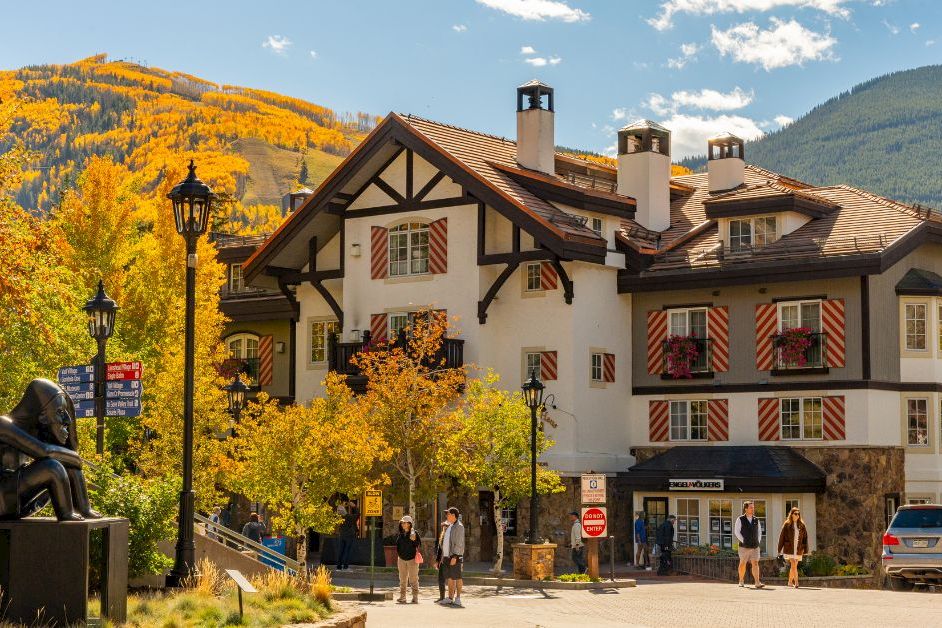
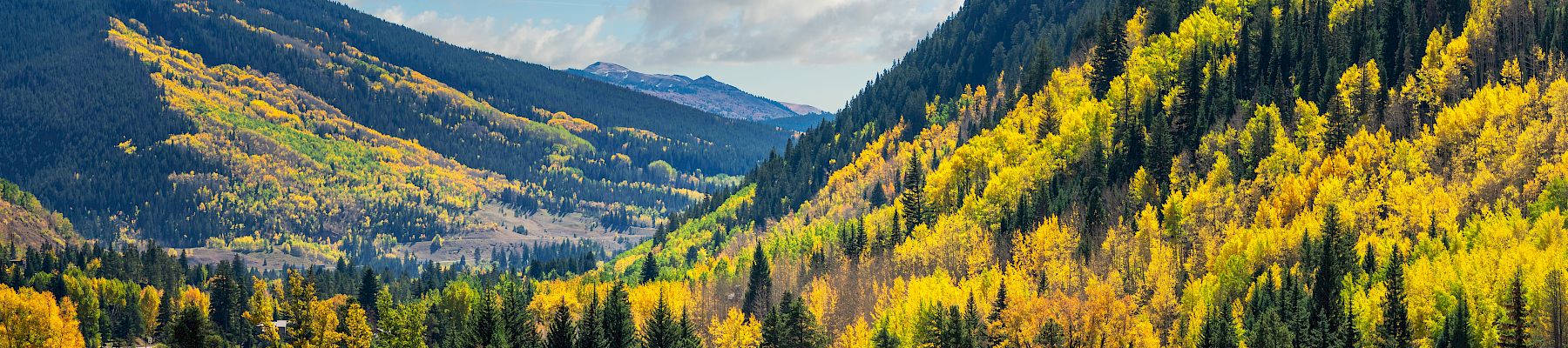
Ski season gets most of the attention in Vail, but ask anyone who has experienced the vibrant golden aspens, and they will tell you fall might be the valley's best-kept secret. The crowds thin out, the trails go quiet, and Vail's fall foliage puts on one of the most spectacular shows in the Rockies, all while lodging rates settle well below summer and winter peaks. If you have never visited during the offseason, here is everything you need to know about where to catch the best colors, what to do while you are here, and why this quiet stretch of the calendar might just become your favorite time to visit.
When Does Fall Foliage Peak in Vail, Colorado?
Vail fall foliage typically peaks between mid-September and early October, with the most vibrant color usually landing in the last two weeks of September. Higher elevations along Vail Pass and the upper reaches of Vail Mountain tend to turn first, with the golden hues working their way down into the valley floor and Vail Village over the following weeks. The full display generally lasts about two to three weeks before the leaves drop, so timing matters if you want to catch the aspens at their brightest.
Because the exact window shifts slightly year to year depending on rainfall, temperature swings, and elevation, it is worth checking a current fall foliage tracker as your trip gets closer. Weekdays also tend to be noticeably quieter than weekends this time of year. Leaf peepers from across the Front Range often flock to Vail on weekends in late September and October, so a midweek stay is one of the easiest ways to have the trails, restaurants, and village streets largely to yourself.
Why Fall Is Vail's Most Underrated Season
Winter in Vail means packed slopes and premium pricing, and summer has become nearly as busy, with festivals, weddings, and peak wildflower season filling the calendar. Fall is different. Once the summer crowds head home and before ski season kicks off in mid-November, the Vail Valley settles into a slower, more relaxed rhythm. Nightly rates tend to run lower than both the summer high season and the winter rush, popular trails that felt crowded in July suddenly feel like your own private mountain, and restaurant reservations become far easier to land.
Add in crisp mornings, warm afternoons, and some of the best natural light of the year for photography, and it is easy to see why more travelers are discovering that fall foliage in Vail might be the valley's most rewarding season to visit. One thing to keep in mind: because fall is genuinely the offseason, some restaurants, outfitters, and activities scale back their hours or close temporarily for maintenance and staff breaks before winter. It is worth calling ahead or booking guided activities in advance so you are not caught off guard.